 Cam Music
Music festivals UK: a guide, season by season
Music festivals in the UK are not one season but several that overlap, and anyone planning a year of UK music festivals soon meets all of them. The year opens indoors, with country and jazz weekends in arenas and town halls. Classical festivals take the coast and the cathedral cities in June. The big camping fields arrive at the end of June and run until the August bank holiday, and the smaller, gentler weekends carry on into September, when the first autumn concert series are already being announced. Anyone who follows live music across a whole year ends up planning by these overlapping calendars rather than by a single "festival season".
The guides on this site follow that rhythm from one starting point. Cambridge has a concert life of its own that runs with the university terms, and it sits a short train ride from London and within a morning's journey of most of the big English fields. So every guide here answers two questions at once: what the music is, and how you get to it and back from the Cam. Dates, line-ups and prices change every year; each guide links to the organisers, who always have the final word.
The UK festival calendar at a glance
The table below is the shape of a typical year, built from the dates the festivals themselves keep to. Exact weekends move from year to year, and some festivals take planned breaks: Glastonbury keeps regular fallow years so that Worthy Farm can recover, and WOMAD returned after a year off at a new site in Wiltshire. Use the table to see when the type of festival you like tends to happen, then check the organiser's own site before you book anything.
| Months | Character | Examples | Where |
|---|---|---|---|
| March | Country, indoors | C2C: Country to Country | The O2, London |
| Late April – May | Jazz and arts festivals | Cheltenham Jazz Festival, Brighton Festival | Cheltenham, Brighton |
| June | Classical by the sea, rock on the racetrack | Aldeburgh Festival, Download | Snape Maltings, Suffolk; Donington Park |
| Late June | The big field | Glastonbury (with fallow years) | Worthy Farm, Somerset |
| July | Mid-size and family weekends | Latitude, WOMAD | Henham Park, Suffolk; Neston Park, Wiltshire |
| Mid-July – mid-September | A summer of concerts | BBC Proms | Royal Albert Hall, London |
| Late July – early August | Folk | Cambridge Folk Festival | Cherry Hinton Hall, Cambridge |
| August | Mountains and the bank holiday | Green Man, Reading and Leeds | Brecon Beacons; Reading, Leeds |
| Early September | The season's last fields | End of the Road | Larmer Tree Gardens, Dorset |
Big fields and small fields: a guide to choosing UK music festivals
The best UK music festivals for one listener are the wrong ones for another. A calendar is easier to use sorted by type as well as by date, and the most useful first question is size. The big fields, Glastonbury, Reading and Leeds or Download, sell a town's worth of tickets, run many stages at once and are built around camping for four or five nights. They reward planning: ticket registrations open months ahead, coach packages sell out, and the walk from the car park to the campsite is part of the weekend.
The mid-size weekends, Latitude, Green Man or End of the Road, trade some of the scale for shorter walks, a wider spread of arts and a calmer family field. Below them sits the long list of small and specialist music festivals in the UK: folk weekends, jazz towns, one-genre gatherings. Country music is a good example of how a scene finds its own corner of the calendar, from the arena-sized C2C weekend at The O2 each March to the smaller summer events, such as the british country music festival, that bring Nashville-style line-ups to British fields. The BBC Proms, though not a field at all, behave like a festival for classical listeners: eight weeks of concerts with cheap standing places, some of them released on the day.
When the music moves indoors: pubs with live music
Most of the year, live music in Britain happens in rooms rather than fields. Every city has its circuit: a couple of mid-size venues that bring touring bands, an arts centre with a programme of folk and jazz, and a ring of pubs with live music in a back room, a cellar or a corner by the window. These are where bands play their first gigs and where festival line-ups are, in practice, assembled, because promoters book the acts that have filled such rooms. In York, as in Cambridge, the pub circuit is as much a part of the musical map as the main halls.
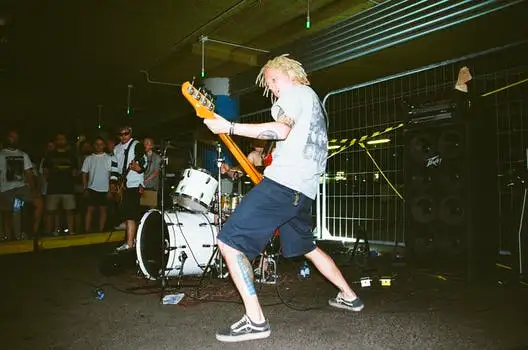
For a festival-goer, the small rooms are also the cheapest way to try out a band before the summer. A ticket for a pub gig costs a fraction of a day ticket, and many of the acts on the smaller festival stages tour the same circuit in spring and autumn.
Why start from Cambridge
Cambridge is a small city with an unusually full musical year. During term, dozens of college chapels, two concert halls and a string of student orchestras and choirs put on music most evenings, much of it free or cheap. Outside term the city empties, and its listeners head out to UK music festivals: to Aldeburgh and Snape on the Suffolk coast, to Latitude and the East Anglian fields, and to London, under an hour away on the fastest trains to King's Cross.
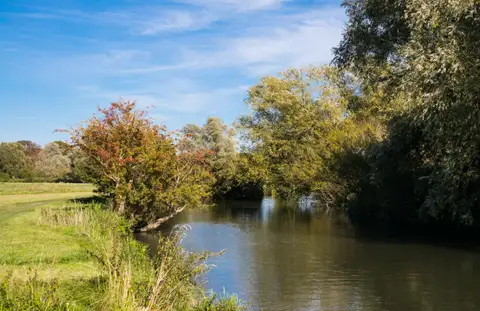
The city's own festival weekend, the Cambridge Folk Festival at Cherry Hinton Hall, is one of the best known in Britain and has been held in the park since the 1960s. It sits in the middle of the high summer, so the season in Cambridge has two halves: concerts in term, fields in the vacation. That is the course the guides on this site follow, down the river and out to the fields, and back again for the autumn term.