Cam Music
Choosing a first festival
Britain's festival summer runs from the late May bank holiday to the first week of September, and there is room in it for almost any taste, from a british country music festival to a week of folk sessions in a seaside town. That range is the reason the best music festivals manage to welcome newcomers and regulars at the same time: a first-timer and a twenty-year veteran can stand in the same field and want completely different things from it.
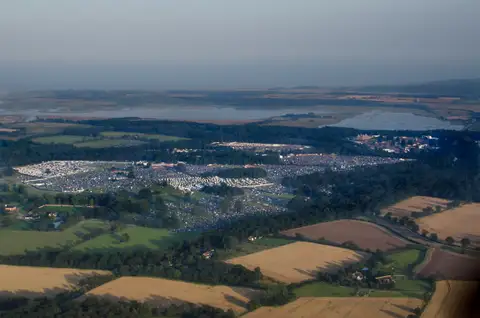
For a first festival, size is the decision that matters most. A crowd of a few thousand feels like a village fete with a stage. A crowd of fifty thousand is a temporary town, with long walks between stages, queues for everything and a campsite that takes an hour to cross. Neither is better, but most people enjoy a big festival more once they have done a small one.
Distance comes next. A festival within an easy train ride lets you try a day ticket before committing to a weekend of camping. Then genre: pick a bill where you know at least three acts and are curious about ten more.
Field, town or park: the main formats
British festivals come in a handful of shapes, and the shape decides what kind of weekend you have. The table compares four well-established examples, using published figures for each one.
| Format | Example | Scale | Best for |
|---|---|---|---|
| Single-stage field | Fairport's Cropredy Convention, Oxfordshire | 15,000 to 20,000 people over three days | A relaxed weekend with one bill to follow |
| Seaside folk week | Broadstairs Folk Week, Kent | 400+ events in 20+ venues, about 160 free | Dipping in without camping |
| Seaside folk week | Whitby Folk Week, North Yorkshire | Around 600 events in 50+ venues | Sessions, dance and late nights in pubs |
| City programme and park weekend | Cambridge Folk Festival | Concerts in city venues through July, then a weekend at Cherry Hinton Hall | Trying single concerts before a full weekend |
The town-based weeks, such as Whitby Folk Week, are the easiest introduction. Many events cost nothing, you sleep in a bed rather than a tent, and you can leave whenever you like. The field festivals reward a commitment: the atmosphere builds over three or four days, and the campsite is half the experience.
Tickets: buy early, buy officially
The festivals people talk about tend to sell out, and many now sell in tiers, so the cheapest tickets go first. At Cambridge Folk Festival the first tier for the following summer has gone on sale in early October, close to ten months before the gates open, and the first release has sold out before the second went on sale.
If you miss out, use only the festival's official resale partner, usually Twickets, Tixel or the festival's own exchange. Wristbands are increasingly checked against names, and a ticket from an unofficial seller can be cancelled at the gate.
Camping, or not
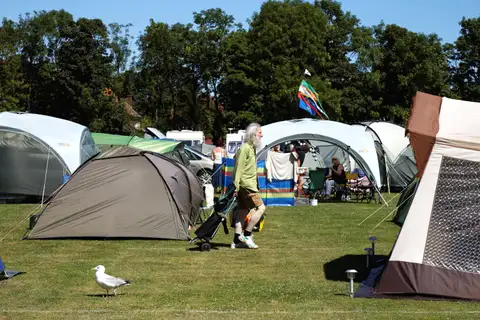
Camping is cheaper than a hotel and closer to the music, but it is the part first-timers find hardest. Arrive early on the first day to choose a pitch on flat ground, away from the toilets but not too far from them, and away from paths that will turn to mud. A tent you have put up once in a garden is worth twice one still in its bag. Pack for both heat and rain, because a British August usually brings both.
If camping does not appeal, look at festivals with day tickets or in towns with hotels and guest houses. Several folk weeks sell tickets for single concerts, and park festivals in cities can be reached by bus each day.
Beyond the fields: pubs and small rooms
Regular festival-goers often say their favourite moments happened away from the main stage: a session in a pub tent, a band on a tiny stage at two in the afternoon, a singer heard through a marquee wall. That spirit carries on all year in the pubs and small venues of towns across the country, where most of the bands on festival bills started out, and where a ticket costs little or nothing.
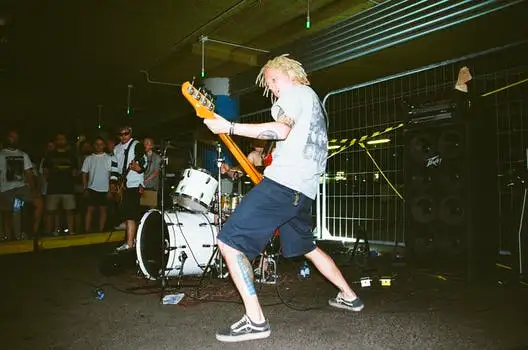
For newcomers, these rooms are also the best way to find out what you like before paying for a weekend. Folk clubs, open-mic nights and gig pubs announce their listings online, and many of the festivals in this guide grew out of exactly that circuit.
For the regulars
After a few summers, the questions change. Regulars look for smaller festivals, new places and line-ups with more surprises. Many festivals rely on volunteers and give a free ticket in exchange for a few shifts; Cambridge Folk Festival is one of those that recruits volunteers each year. Others take fallow years to rest their land or their budgets, Glastonbury most famously, so a festival missing from one summer's calendar may simply be resting. And some do not come back at all: Towersey closed after its sixtieth edition in 2024, which is why buying early for the smaller events matters.